Category: literary

  • Surrounded By Beasts

    In Greek legend, sorceress Circe (pronounced Kirke) is the daughter of Helios, the sun god, and Perse, an ocean nymph. She is said to have been surrounded by beasts that could not be seen elsewhere. When others came to her palace, they saw the beasts, but only what they recognized, like lions, bears and wolves. The beasts acted as domesticated animals, showing their kindness by wagging their tails. Some say they were actually drugged victims of Circe.

    The Sorceress by John William Waterhouse, c. 1911

    Sources:
    * Circe — Greek Mythology Link
    * Britannica — Circe: Greek Mythology

    , ,
  • XIII Death

    All that live must die, passing through nature to eternity.

    – Shakespeare, from Hamlet

    Medieval Scapini Tarot
    , , ,
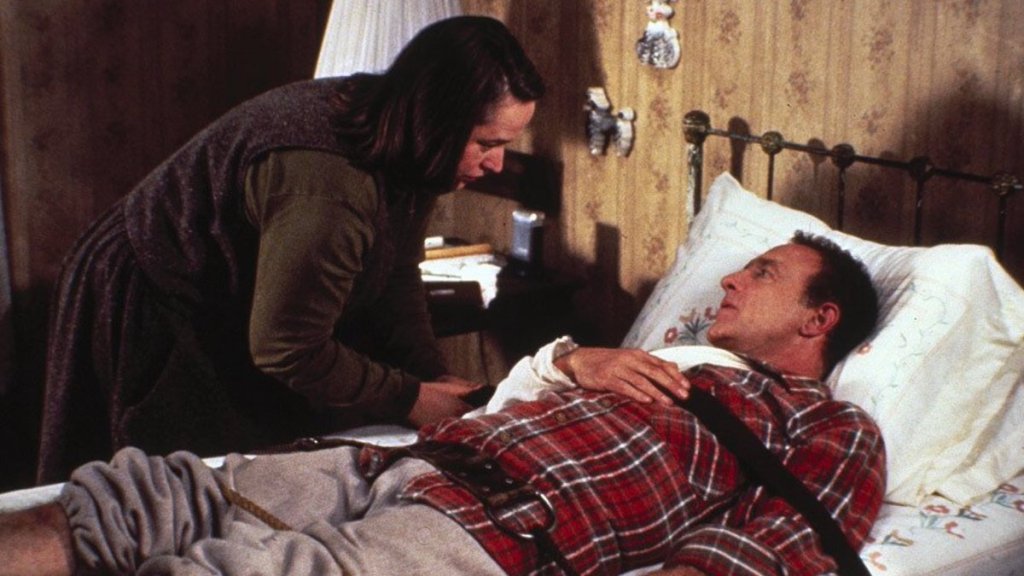
  • DYK: Misery (1990)

    Kathy Bates is nominated for an Oscar at tonight’s Academy Awards, so I thought I would take a look back at Misery, the movie she starred in that led her to winning an Oscar for best female in a leading role in 1990.

    Did you know that Bette Midler turned down the role of Annie Wilkes? She thought the story was too violent, but later called herself “stupid” for her decision. However, screenwriter William Goldman wrote Misery with then unknown but respected theater actress Kathy Bates in mind.

    Her co-star, James Caan, was not the first choice to play Paul Sheldon. Kevin Kline, Michael Douglas, Harrison Ford, Dustin Hoffman, Robert De Niro, Al Pacino, Richard Dreyfuss, Gene Hackman and Robert Redford all said no to the role. William Hurt said no twice. Warren Beatty showed a lot of interest and gave the director Rob Reiner and Goldman ideas for the character before having to turn them down, too, because he had to keep working on Dick Tracy.

    Caan had to stay in bed for 15 weeks of shooting. He said he thought that Reiner was playing a “sadistic” joke on him, knowing the actor wouldn’t enjoy not moving around for so long. Caan wasn’t used to playing a reactionary character, and found it much tougher to play.

    Read more interesting facts about Misery on Mental Floss.

    Reiner, Rob. Misery, Columbia Pictures, 1990.

    , ,
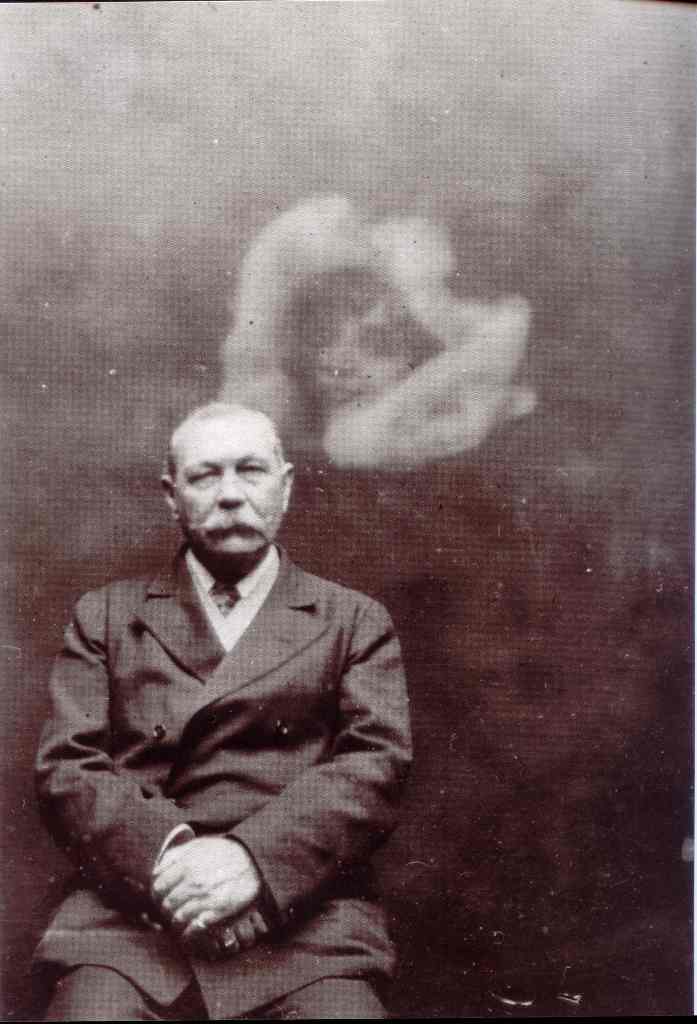
  • Spirit Photography

    Sir Arthur Conan Doyle with psychic extra, c.1922.
    Gelatin silver photograph, Barlow Collection, British Library London

    More spirit photography at University of Sydney Nineteenth-Century Study Group: Spirit Photography.

    , , ,
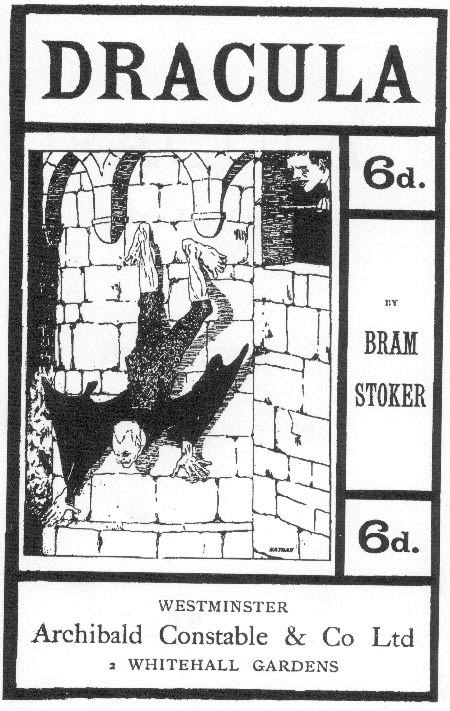
  • Dracula = bad blood

    “Dracula” is literally translated in Gaelic as Drac Ullah, meaning bad blood. Despite the narrative being inspired by Romania, the author, Bram Stoker, was Irish.

    Learn more about the Dracula legend on the Romania Tourism website.

    , , , ,
  • Irish Mummies

    I recently learned that Dublin, Ireland, has some interesting mummies that can be visited. I knew about bog bodies that were discovered around the island, but I didn’t know that Dublin holds creepy bodies from ages past.

    One is of a cat and rat that were trapped in an organ pipe in the 1860s at Christ Church Cathedral.

    The placard reads:
    Possibly our most famous residents, our cat and rat were trapped in an organ pipe in the 1860s and became mummified. They were made famous by James Joyce, when he writes in Finnegan’s Wake, “… as stuck as that cat and mouse in that tube of the Christchurch organ …”

    Another is a collection of noble families that were found when their coffins naturally broke open over time under St. Michan’s Church.

    Bram Stoker is thought to have visited the vaults in the crypt below St. Michan’s and possibly to have found inspiration there for at least a few of the scenes in his classic Dracula.

    Sources:
    Cat and Rat – Oddities of Christ Church Cathedral
    St. Michan Mummies – St. Michan’s Church

    , , ,
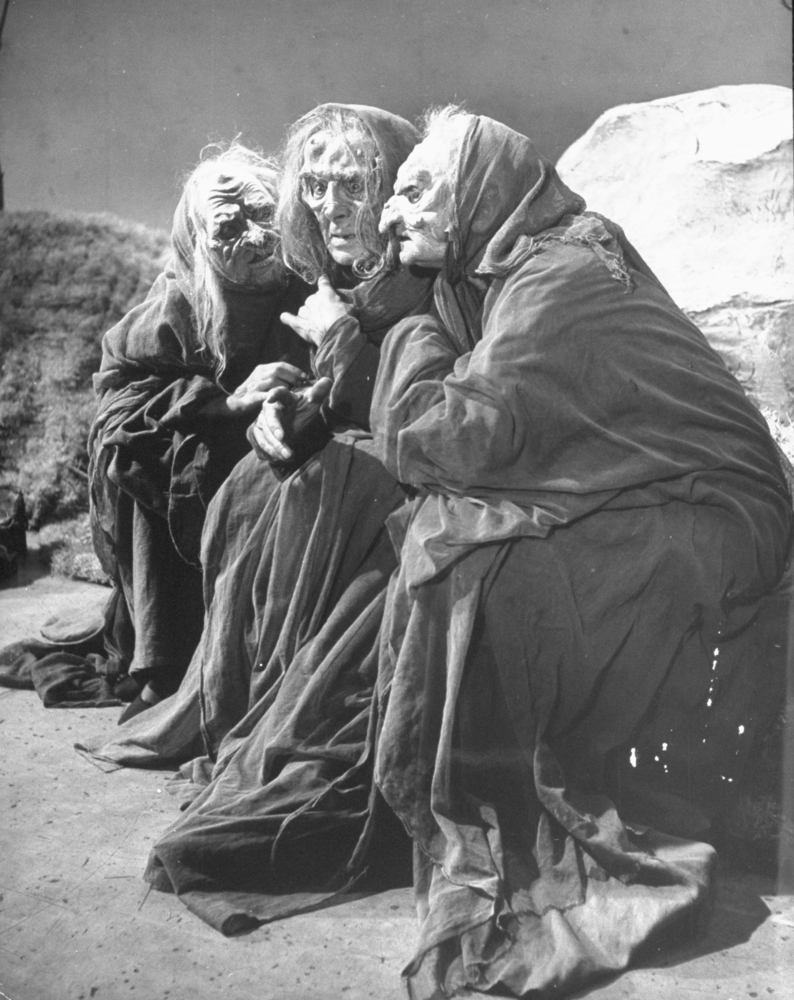
  • The Weird Sisters’ Prophecy

    First Witch:
    When shall we three meet again
    In thunder, lightning, or in rain?

    Second Witch:
    When the hurly-burly’s done,
    When the battle’s lost and won.

    Third Witch
    :
    That will be ere the set of sun.

    MacBeth-3Witches

    Shakespeare, William. Macbeth, Act I, scene i, c. 1605.

    , , ,
  • Horror Lit: Carrie

    Book review
    Stephen King’s Carrie

    After reading Gerald’s Game, I was particularly curious about Stephen King writing with a female protagonist. I liked his characterization of Jessie Burlingame, and I wondered where else in his catalogue did he write using a female protagonist? Less than a moment later, I remembered Carrie, which he had written 17 years earlier. How could I forget the iconic image of the prom queen covered in pig’s blood?

    I had seen the movie many moons ago, but had not read the book. I decided to grab a copy at my local second-hand bookstore and find out for myself how King presented Carrie and her horror story.

    From the moment I started it, I liked it. It is told in snippets of narrative mixed with quotations from court documents, academic essays and first-person biographies. King outlines the story from three angles: the public, shown through the documentation following the destruction of a town by a teenage girl’s telekinetic power; the friends and family surrounding the protagonist Carrie’s life, shown through anecdotes from their eyes as they go about their day creating the perfect storm for Carrie’s betrayal and revenge; and the protagonist Carrie, located at the heart of the action and torment.

    I was raised in households with varying degrees of right-wing Christian religious fervor, so Carrie’s story of being raised by an ascetic, judgemental, punishing, sadist of a mother who feels justified in her cruel actions by her Christian devotion and faith is not unrealistic to me. Neither was the high school bullying. The pleasure of Carrie was in watching the protagonist take punch after punch from her inner voice, her mother and her peers, and seeing it fuel her rebellious reaction until she rained down fire on all of them.

    The Carrie narrative is iconic, and King, rightly so, is an icon. The book far outweighs the movie, mostly, for me, by casting. I had to revise my image of Sissy Spacek from very early on in the book, which I was glad to do. I much preferred King’s more awkard, angst-ridden teenager who reminded me more of Rae in My Mad Fat Diary than anything close to Spacek.

    I am happy to continue my exploration of King’s portrayal of female protagonists. Perhaps Dolores Clairborne next, or Misery … is that one told by the writer or the kidnapper? Off to the bookstore!

    King-Carrie

    King, Stephen. Carrie. Penguin Group, 1975.

    , , ,
  • Horror Lit: By the Pricking of My Thumbs

    Book review
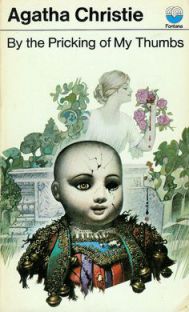
    Agatha Christie’s By the Pricking of My Thumbs

    I consider Agatha Christie a horror writer because, in practically any library, you are sure to find a macabre tale of murder by her. She was the first mystery writer I discovered, and I remember the thrill of being young and being allowed to read her murder stories. She was, in fact, my first inspiration to become a writer myself. I remember plotting out complex and devious murder schemes in short stories, written by hand in flimsy composition notebooks.

    While shopping for a Stephen King book recently, I found a large selection of Christie novels, and chose By the Pricking of My Thumbs for its rich title … and for being a reference to the three witches in Shakespeare’s MacBeth. Sold!

    The story turned out to be quite different than I expected, but intriguing just the same. The main characters were older, so the pace of their lives and their stories were very different from mine. But, Christie made them unique and engaging, and their wandering whimsies and desires led them toward both discovering and solving a long-held mystery, which was fun. The story ended with a surprising attack of the villain on the protagonist: one old lady trying to kill another while locked in a hidden room … priceless!

    My favourite narrative tool that Christie used in this book was to play with two narrators. It began with the husband and wife, and then followed the wife. About halfway through the book, the wife encountered danger, and the story followed the husband for a while. This created a tension in me that I was not expecting. At that point in the narrative, I was feeling really attached to the wife. Then finding myself in her husband’s shoes and worrying about her made me feel even more scared for her. I thought that was brilliant.

    agatha-christie

    Christie, Agatha. By the Pricking of My Thumbs, Williams Collins Sons & Co Ltd, 1968.

    , , ,
  • Horror Cinema: Psycho

    I love discovering that a personal horror-film favourite is based on a novel:

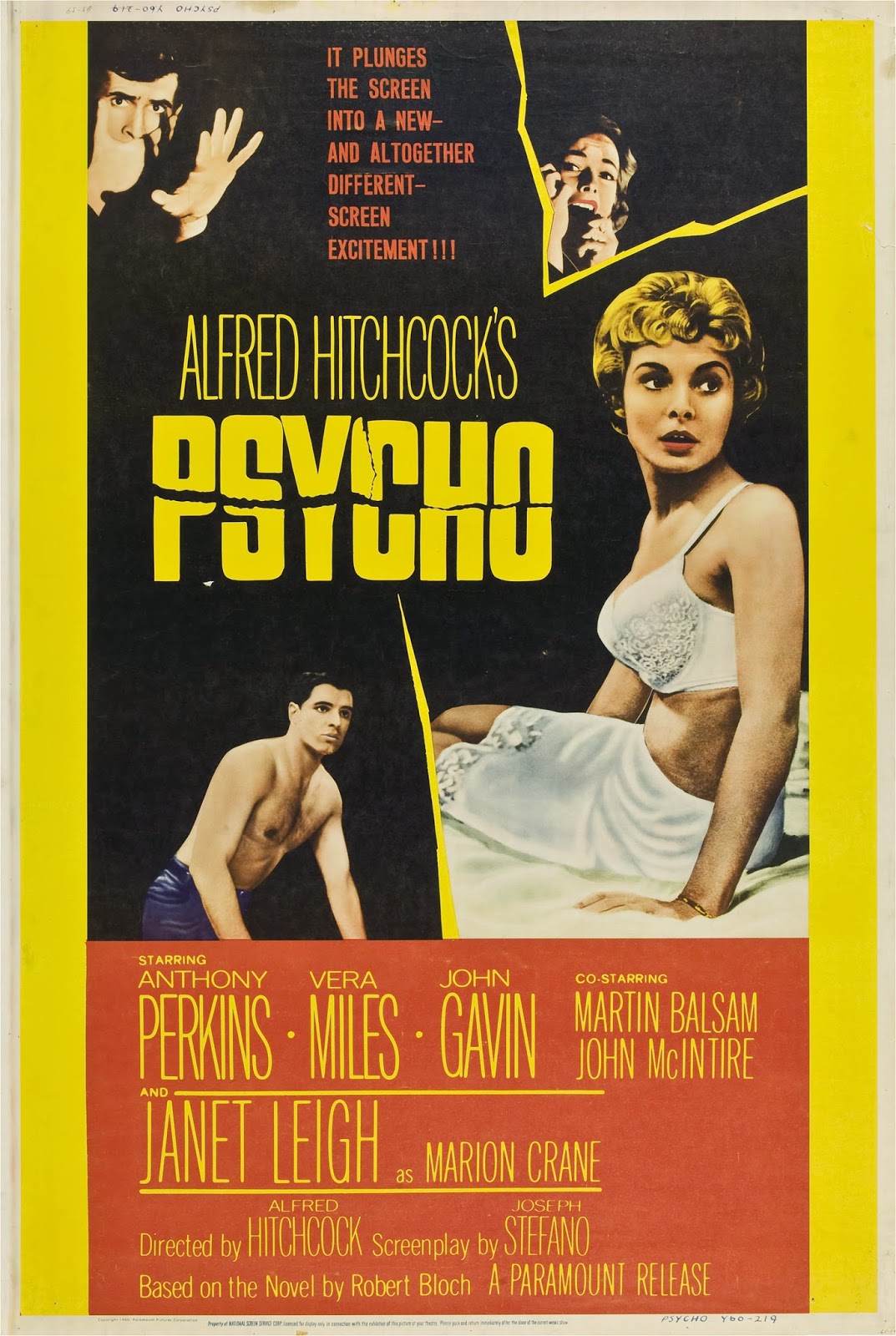
    Psycho was the first movie adapted from a novel by Robert Bloch (1917-1994), and despite its great success, he only received $9,000 from selling the film rights to his novel. However, the movie helped his career tremendously, and he wrote for a number of films and television shows over the next three decades, most of them in the horror/thriller/suspense genre, such as The Night Walker (1964) starring Barbara Stanwyck, and Strait-Jacket (1964) with Joan Crawford.” (from Trivia & Fun Facts About PSYCHO by Turner Classic Movies)

    Adding Bloch to my reading list!

    PSYCHO - American Poster 6

    (poster from Discreet Charms & Obscure Objects: Images of rare/well-known movie posters)

    , , ,