

After many recommendations to watch the recently released Nosferatu, I finally did, but I could not get through it. Midway through, I was seriously disappointed that the movie was just Dracula, and it was poorly acted (god, that main actress was terrible and Nosferatu’s Eastern European accent was embarrassing), pretentious and devoid of the drama that Dracula demands. When I gave up on Nosferatu, I cleansed my palate with the truest, most goth-girl drama version of Dracula, Francis Ford Coppola’s Bram Stoker’s Dracula. This is the second time I have watched it this year. It is so damn good.
Among the living creatures seen in Dracula’s castle in Transylvania are opossums, armadillos, and an insect known as a Jerusalem cricket (Stenopalmatus Fuscus).

The Jerusalem cricket was common in Southern California, which may explain its cameo in the film.
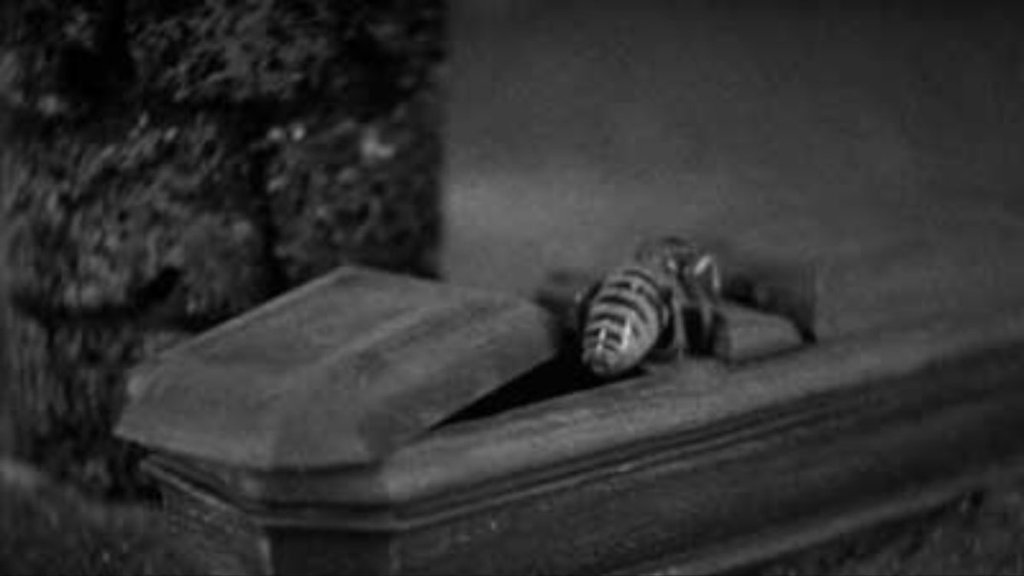
The inclusion of armadillos was due to the fact that armadillos had occasionally been seen digging in graveyards, which led to the mistaken belief that they would dig their way into coffins and eat the cadavers.

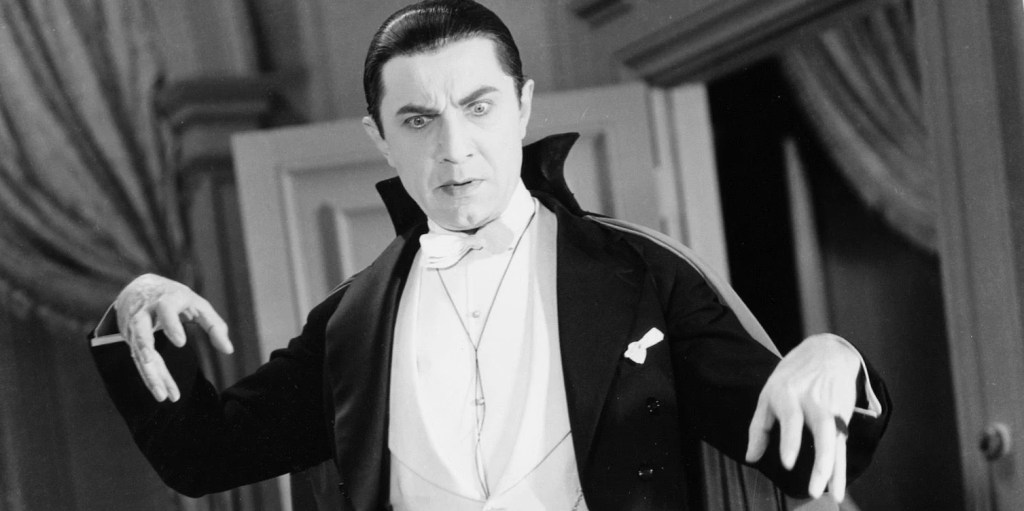
Learn more about 1931’s Dracula at IMDb Trivia: Dracula (1931).
At the first cast meeting called by producer and director Francis Ford Coppola, he got all of the principal actors and actresses to read the entire Bram Stoker novel out loud to get a feel for the story. According to Sir Anthony Hopkins, it took two days to complete.
Gary Oldman said that when he first read the script, he decided it would be worth doing the movie just so he could feel what it would be like to say, “I’ve crossed oceans of time to find you” to someone.

In August 2018, Winona Ryder expressed concern that she might be legally married to Keanu Reeves. Apparently, Coppola wasn’t happy with their wedding scenes in the movie and, to achieve greater authenticity, he re-shot the sequence with a real priest.

Learn more about the making of Coppola’s adaptation of Dracula at IMDb Trivia: Bram Stoker’s Dracula.
“Dracula” is literally translated in Gaelic as Drac Ullah, meaning bad blood. Despite the narrative being inspired by Romania, the author, Bram Stoker, was Irish.
Learn more about the Dracula legend on the Romania Tourism website.



 The Devil's Muse