Category: horror
-
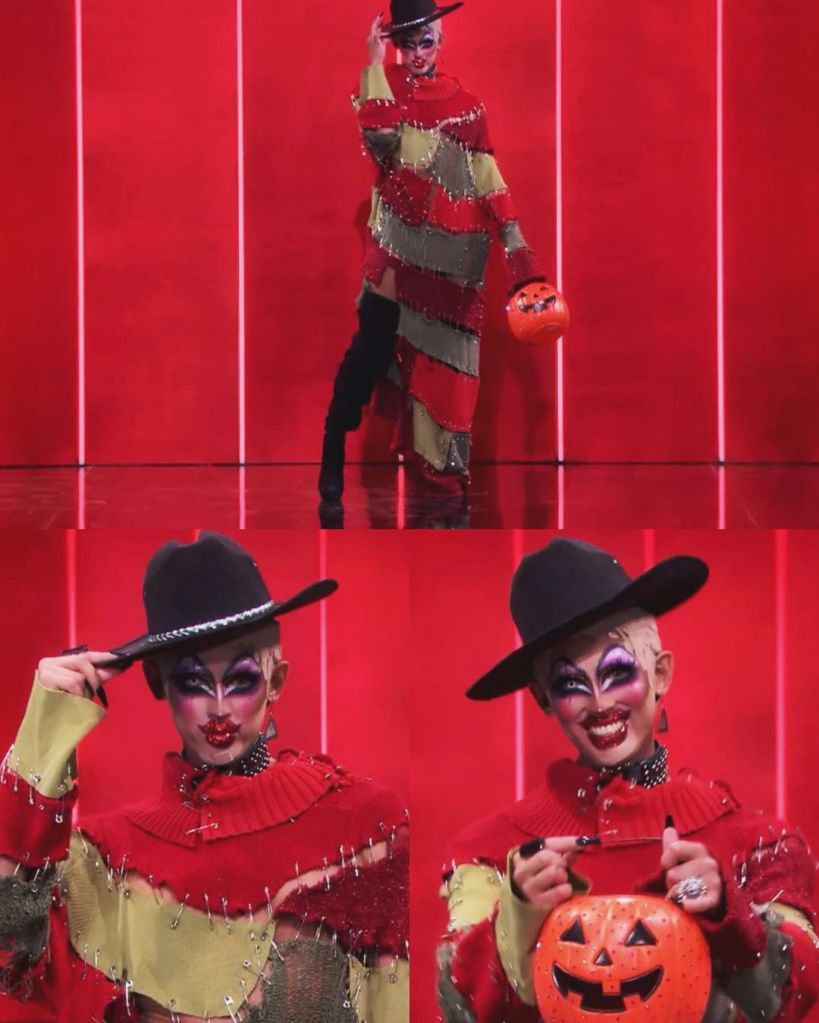
Glam Freddy Krueger
Rupaul’s Drag Race season 12 contestant Crystal Methyd brought Freddy Krueger glam to the Drag Race franchise, which I love! She also brought the devil to the runway.


-
Black Plague
“One of the comforts of studying history is that, no matter how bad things get, you can always find a moment in the past when things were much, much worse. Some commentators on our current crisis [of COVID-19] have been throwing around comparisons to earlier pandemics, and the Black Death of 1347–50 inevitably gets mentioned. Please. The Black Death wiped out half the population of Europe in the space of four years. In some places the mortality was far swifter and deadlier than that. The novelist Giovanni Boccaccio, who gave us the most vivid picture of the Black Death in literature, estimated that 100,000 people died in Florence in the four months between March and July 1348. The population of the city in 1338, according to one contemporary chronicler, stood at 120,000.”
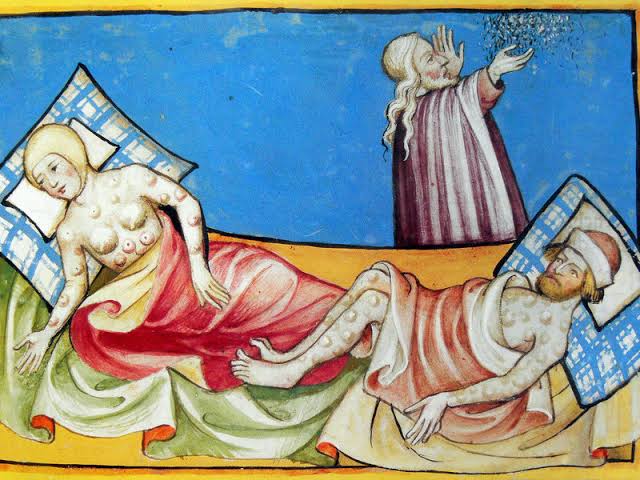
Image from The Black Death “Like COVID-19, the disease spread with bewildering rapidity, but unlike in the modern pandemic, it infected everyone, young and old, rich and poor, not mainly the old and infirm. And again unlike the current virus, the effects of bubonic plague were particularly humiliating. Tumor-like growths as big as apples, called ‘bubos,’ would appear in the groin or armpit. Gangrenous blotches would appear on hands and feet causing the skin to turn black and die. The victims would start coughing up blood, all their bodily fluids stank and their breath became putrid. ‘The stench of dead bodies, sickness and medicines seemed to fill and pollute the whole atmosphere.’ There was no dying with dignity during the Black Death.”
James Hankins, Social Distancing During the Black Death, Quillette, March 28, 2020.
-
Horror Cinema: I See You
I came across I See You on the streaming service Prime. I was mostly interested in it because of Helen Hunt, who I have been happy to see returning to television and movies (I recently watched the reboot of Mad About You and loved it). During the first third of the movie, I was suspicious of its dramatic moodiness: long shots of scenery or of the inside of the house where the story took place with spooky music reminiscent of Argento’s Suspiria or Kubrick’s The Shining.
I was pleasantly surprised when, halfway through, the story took an unexpected turn and the plot became enthralling right until the end. I appreciate when a story makes you see its characters in a new way, and this one did it in spades. I highly recommend it!
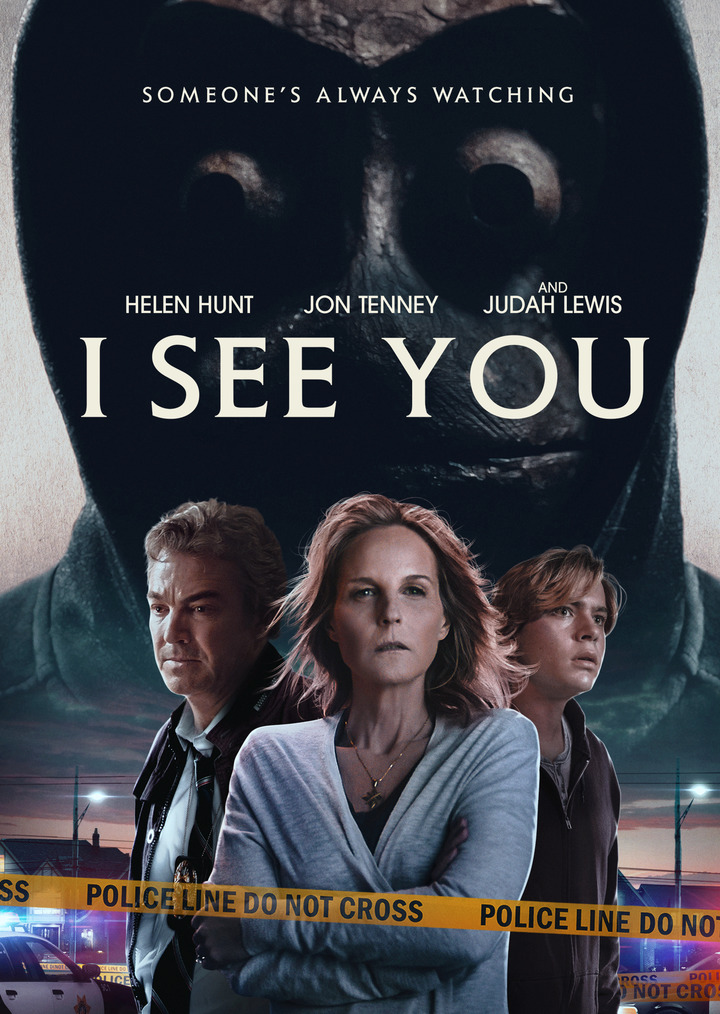
Randall, Adam. I See You, Saban Films, 2019.
-
Horror Lit: Psycho
When I came across a copy of Robert Bloch’s Psycho at a Books-A-Million, I picked it up without hesitation. I had wanted to read it since I discovered in April 2018 that the movie was based on a book (see Horror Cinema: Psycho).
Reading it, I was surprised by its gore and violence, especially for a book written in the 1950s. I was expecting it to be more of a slow burn like its movie adaptation. Instead, right from the start, there was gore. Early on, Norman Bates was described as reading books about human sacrifices where drums were made out of human skin. The classic murder scene in the motel shower was more intense than I would have ever imagined.
As a horror writer myself, I aspire to write stories that combine a psychological thrill with true-crime violence, and Psycho turned out to be just that. It was written in a clear and concise style with engaging characters.
After reading the book, I re-watched Hitchcock’s movie version. While much tamer than the book—to be expected for the time it was made in—it was an impressive film adaptation. The biggest difference between the book and film was how Norman Bates looked. In the book, he is described as overweight with thinning hair and rimless glasses, nothing like the tall, slim brunette cast in the movie.
I highly recommend this book to any horror fan.

Book
Bloch, Robert. Psycho, The Overlook Press, Peter Mayer Publishers, Inc., 1959.Film
Hitchcock, Alfred. Psycho, Paramount Pictures, 1960. -
One of us, one of us
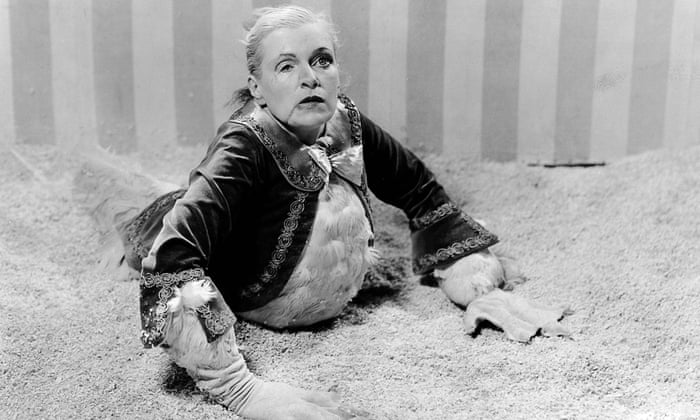
The early-Hollywood movie Freaks is a must-see for any horror-movie fan.


