
Category: witch
-
The Witches Procession
Agostino Musi, The Carcass (The Witches Procession), 1520–1527 -
Next season of Netflix’s Sabrina to be the last
I was bummed to learn that Netflix’s Sabrina series will air its final season later this year:
“The Chilling Adventures of Sabrina will end with a part four on Netflix later this year. Netflix and showrunner Roberto Aguirre-Sacasa made the announcement on Wednesday night.

“The final installment promises a spooky, sexy and supernatural series finale — but not before Sabrina Spellman (Kiernan Shipka) reveals a few more tricks up her retro-chic sleeve. Over the course of the final part’s eight episodes, the Eldritch Terrors will descend upon Greendale. The coven must fight each terrifying threat one-by-one (The Weird, The Returned and The Darkness, to name a few), all leading up to The Void, which is the End of All Things. As the witches wage war, with the help of the Fright Club, Nick (Gavin Leatherwood) begins to slowly earn his way back into Sabrina’s heart, but it may be too late.”
Read more at Variety: ‘Chilling Adventures of Sabrina’ Canceled at Netflix, Part Four to Premiere Later in 2020
-
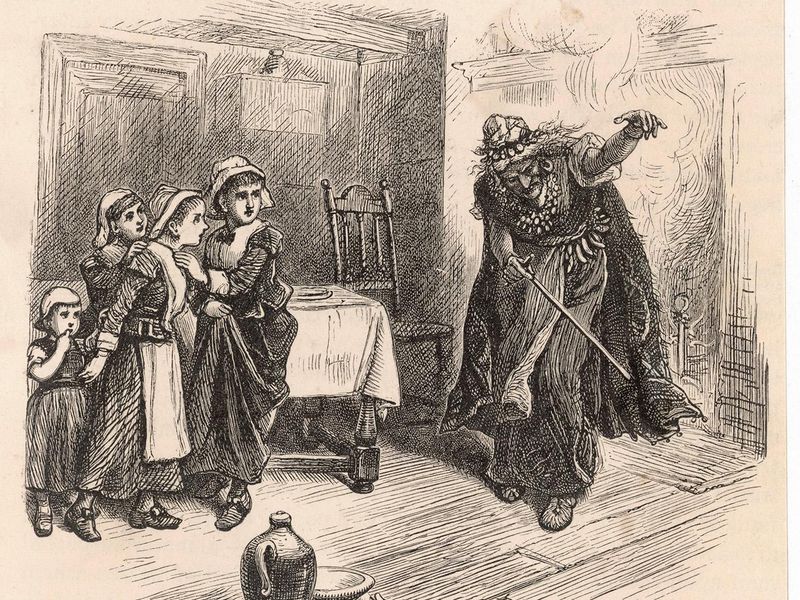
Famous Accused Witch: Tituba
“It is likely you have heard this name from Arthur Miller’s The Crucible, but like many other characters in the play, Tituba was inspired by a real person. Although it’s unclear which South American country she originated from, Tituba was brought to the American colonies as a slave to Samuel Parris. During the 1692 Salem witch trials, Tituba was the first person accused of witchcraft by Elizabeth Parris and Abigail Williams.
“Initially, Tituba denied any involvement, but like so many of the accused, her will was quickly broken. Tituba admitted to the participation of an occult ritual, saying that she had baked a witchcake in an attempt to help her mistress, Elizabeth Parris. Tituba embellished her confession by adding details about her service to the devil, riding on sticks, and being told by a black dog to harm the children. Her testimony was both bizarre and frightening, as Tituba stated that she pinched the girls and had signed a devil’s book. Tituba, along with many others, was imprisoned for nearly a year, but managed not to be one of the women hanged for witchcraft.
“Tituba languished in prison for a year, as her [slave owner] would not pay her jail fees. Eventually, in 1693, an unknown individual purchased Tituba from the prison for the price of her jail fees. After this, the woman’s path disappeared from history.”
-
Famous Witch: Baba Yaga
Baba Yaga is one of the most famous characters in Slavic mythology. The old crooked-nosed hag is as evil as she looks. She is both a force of nature and a cruel old woman who eats people who dwell into the deep forest. Her name comes from the Slavic word for grandmother “Baba.” The meaning of the word “Yaga” is not certain but some think it means “wicked.”
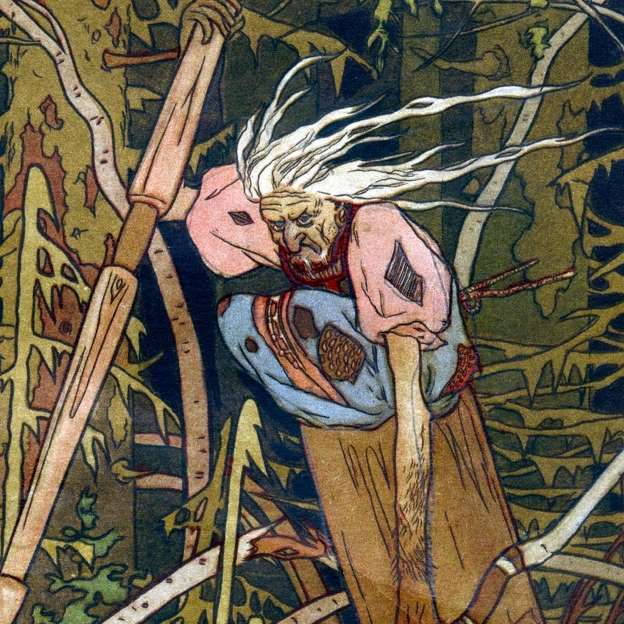
Baba Yaga In some myths, Baba Yaga gives tasks to her victims and, depending on the successful completion of their mission, they are either eaten or rewarded. She is not only an evil villain but, in many cases, she could even help them, like in the Russian story of “Vasilisa the Beautiful,” where Baba Yaga gives Vasilisa tasks to accomplish in trade for help.
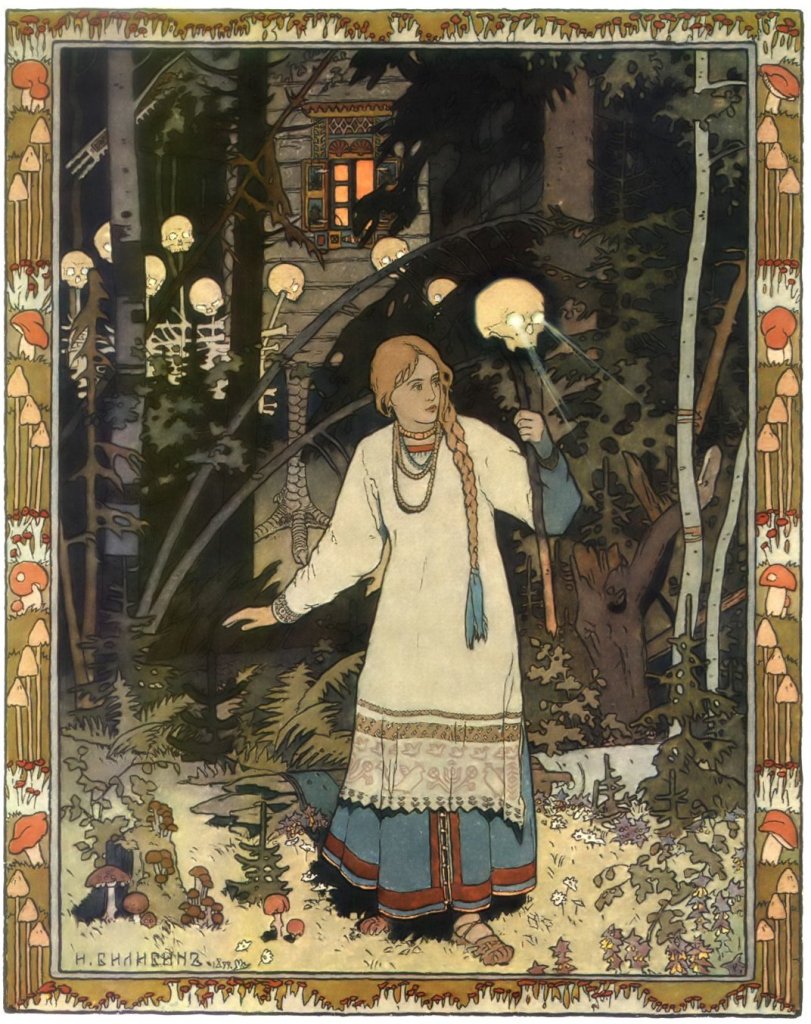
Vasilisa outside of Baba Yaga’s hut. Read more about Baba Yaga at Baba Yaga – The Mythical Forest Witch from Slavic Folk Tales.
-
Horror Lit: Witchy Women
A library in Dublin, Ireland, recommends the following three books about women who “are different, the outsider who does not conform, the outcast who does not comply, and are therefore a danger.” Visit Witchy women on BorrowBox for descriptions of each title.
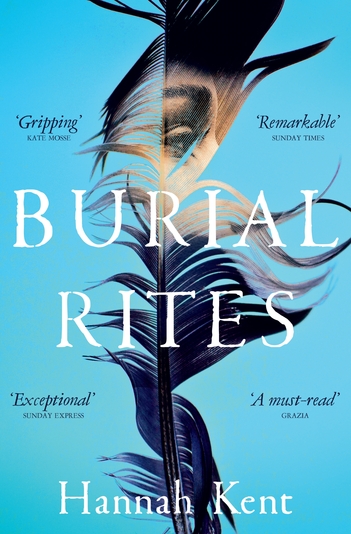
Burial Rites by Hannah Kent 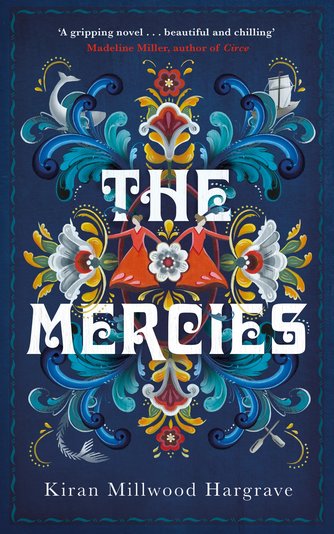
The Mercies by Kiran Millwood Hargrave 
The Familiars by Stacey Halls -
Famous Witch: Rhiannon
I am a big fan of Stevie Nicks, and I was curious to learn more about the background of the witch character Rhiannon from the Fleetwood Mac song. I found this informative video that filled in the blanks very well.
-
Surrounded By Beasts
In Greek legend, sorceress Circe (pronounced Kirke) is the daughter of Helios, the sun god, and Perse, an ocean nymph. She is said to have been surrounded by beasts that could not be seen elsewhere. When others came to her palace, they saw the beasts, but only what they recognized, like lions, bears and wolves. The beasts acted as domesticated animals, showing their kindness by wagging their tails. Some say they were actually drugged victims of Circe.

The Sorceress by John William Waterhouse, c. 1911 Sources:
* Circe — Greek Mythology Link
* Britannica — Circe: Greek Mythology


 The Devil's Muse